
How Insulated Flasks Relate to Dietary Habits and Everyday Food Choices
📝 Disclaimer: The content on this site is for informational and educational purposes only and does not constitute medical, professional nutrition, or fitness advice. Always consult with a qualified healthcare provider before starting any new diet, weight loss program, or exercise routine.
* This post may contain affiliate links. We may earn a commission from qualifying purchases made through these links at no extra cost to you.
* This site uses AI technology for content assistance and illustrative imagery. Images are for demonstration purposes and do not depict real people or events.

What an Insulated Flask Represents
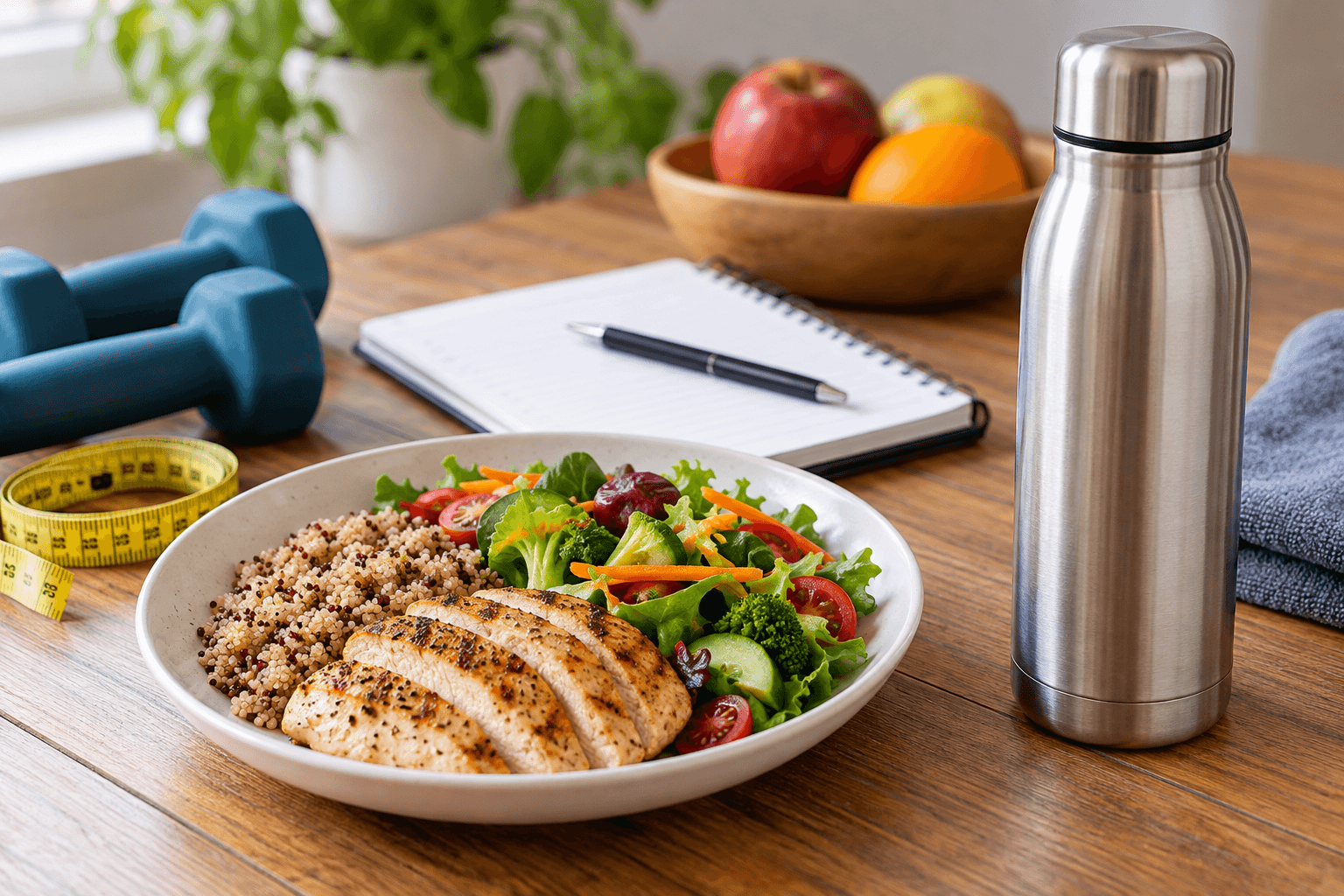
An insulated flask is a reusable household container designed to hold a beverage while limiting temperature change for a period of time. In meal and lifestyle discussions, it may appear as part of beverage organization, hydration records, commuting routines, or outdoor activity contexts.
The item itself does not define a nutrition pattern. Its meaning depends on how it is described in a household routine, such as carrying a drink to work, keeping a beverage nearby during travel, or placing a container alongside packed food.
Everyday Routine Context
A flask can fit into several kinds of daily organization. Some people associate it with a morning departure, a work bag, a travel setting, or an eating environment where beverages are kept separate from meals. These descriptions concern convenience and routine structure rather than a required behavior.
The phrase “insulated flask” also functions as a container term. It distinguishes a particular type of reusable vessel from a glass, cup, carton, or ordinary bottle. Discussions may focus on material, shape, lid style, portability, or temperature retention, but these features remain object descriptions rather than health claims.
Beverage Records and Lifestyle Language
In tracking-related writing, a flask may be mentioned as a reference point for a beverage record. A person might note that a drink was carried, consumed, or available during a particular part of the day. This kind of record can describe routine context without becoming a demand for constant monitoring or a measure of personal success.
The same object can appear in lifestyle language connected with commuting, desk-based work, travel, relaxation, or movement-adjacent settings. Its presence may show that a beverage was integrated into an environment, though it does not establish hydration status, energy level, fitness, or any medical outcome.
Practical Friction and Household Context
Real-world use can involve ordinary logistical considerations: the flask may occupy space in a bag, require a suitable place to stand, or be inconvenient during social meals. The surrounding environment can affect whether it is visible, accessible, or used at all. These details help explain why household objects are often included in meal-organization and lifestyle descriptions.
An insulated flask may also be grouped with lunch bags, reusable containers, serving items, or pantry and kitchen objects. Such groupings describe a broader food-and-beverage setting, not a prescribed equipment list. The object can be present without being central to the meal pattern.
Neutral Terms That May Appear
- Insulated flask: A reusable beverage container described by its temperature-retention design and portable format.
- Beverage organization: Language for placing drinks within a daily routine, travel arrangement, or meal setting.
- Hydration record: A general record format for noting beverage-related events without implying required tracking or a target.
- Commuting context: A setting in which a flask may accompany work or travel items.
- Eating environment: The physical and social surroundings where food and beverages are present.
- Reusable container: A household-object term that emphasizes repeated use rather than a particular nutrition outcome.
- Movement-adjacent setting: A broad reference to travel, walking, or activity environments without describing an exercise routine.
- Routine friction: Small practical obstacles, such as carrying space or access, that can affect how an object fits into daily life.
- Neutral observation: A description of what an item does or where it appears, without linking it to body change, health improvement, or personal discipline.
Limits of the Term
An insulated flask identifies an object and its common household context. It does not indicate what beverage it contains, how often it is used, or whether it has any effect on eating patterns, body measurements, energy, or wellbeing. Its role in an archive is therefore descriptive: it helps represent beverage carrying, routine organization, and everyday environmental details without turning the object into a required tool or a marker of progress.

