
How Consistent Meal Planning Patterns Shape Everyday Eating Habits
📝 Disclaimer: The content on this site is for informational and educational purposes only and does not constitute medical, professional nutrition, or fitness advice. Always consult with a qualified healthcare provider before starting any new diet, weight loss program, or exercise routine.
* This post may contain affiliate links. We may earn a commission from qualifying purchases made through these links at no extra cost to you.
* This site uses AI technology for content assistance and illustrative imagery. Images are for demonstration purposes and do not depict real people or events.

Understanding Consistency in Meal Routines
Consistency in meal-related language usually describes how often a person’s eating pattern follows a recognizable structure. It does not necessarily mean identical foods, fixed portions, or a strict schedule. The term may refer to recurring meal formats, familiar preparation habits, or a repeated way of organizing food information.
A routine can remain consistent while changing with work hours, social events, travel, available ingredients, or household needs. In this context, consistency is an observational description rather than a measure of discipline, success, or nutritional quality.
Organizational Patterns Behind the Term
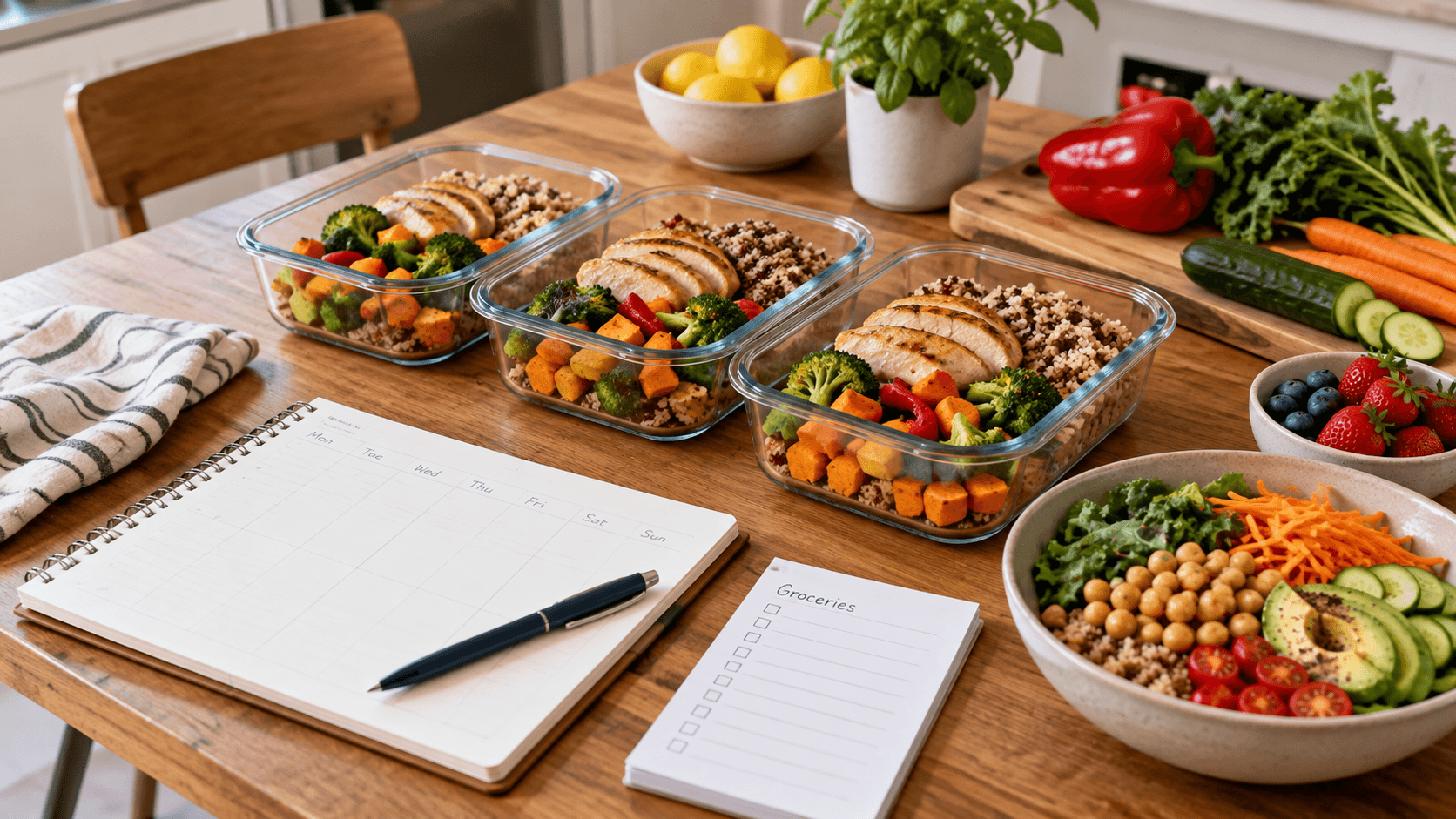
Meal organization may involve a repeatable framework, such as grouping foods by eating occasion, preparation format, storage location, or household preference. A person might use a weekly overview, a grocery-list format, a pantry category system, or a batch-preparation note to make upcoming choices easier to see.
These formats create visibility without prescribing what anyone has to eat. A written plan can function as a reference document, while a flexible routine may exist mostly through familiar household patterns. The level of detail varies widely, from a short list of meal ideas to a broader record of ingredients and preparation formats.
Real-World Friction and Flexibility
Everyday consistency is influenced by time, kitchen access, food availability, social settings, and changing energy levels. A routine that appears stable on paper may look different during travel, holidays, busy work periods, or shared meals.
Practical friction often includes forgotten ingredients, limited preparation space, changing schedules, or uncertainty about how much food remains available. These factors are part of the context surrounding meal organization, not evidence that a person has followed or failed a particular system.
Consistency can also describe familiarity rather than repetition. For example, a household may regularly use similar meal formats while varying ingredients, textures, cultural influences, or preparation styles.
Language Used to Describe Consistency
The following terms can appear in meal organization, lifestyle records, or general nutrition writing:
- Recurring meal format: A recognizable structure that appears more than once, such as a packed meal, shared dish, or assembled bowl, without prescribing its contents.
- Routine pattern: A description of when or how eating occasions commonly appear within daily life.
- Flexible organization: A planning style that leaves room for schedule changes, availability, and social settings.
- Preparation rhythm: A broad reference to how often food preparation or assembly tends to occur.
- Household food pattern: A description of shared preferences, customary ingredients, or familiar kitchen arrangements.
- Record language: Terms such as “planned,” “prepared,” “available,” or “changed” that describe organization without measuring compliance.
- Body-neutral observation: A note about routine, comfort, energy, or attention that does not treat body size or appearance as an outcome measure.
Limits of Consistency as a Measure
Consistency alone does not explain the nutritional content, cultural meaning, affordability, enjoyment, or adequacy of an eating pattern. A repeated routine may be convenient for one household and difficult for another. The same format can also change meaning across workdays, weekends, celebrations, or periods of limited food access.
For this reason, consistency is most useful as neutral language for describing organization and familiarity. It does not establish health status, guarantee a result, or serve as proof that a particular meal pattern is suitable for every person.

